






| MODELL P/N | SERIE | ANZAHL DER LABORE/KLINIKEN | GESCHWINDIGKEITSSTUFE | ANZAHL DER LOGIKELEMENTE / ZELLEN | RAM-BITS INSGESAMT | ANZAHL DER E/A | SPANNUNG - VERSORGUNG | BEFESTIGUNGSTYP | BETRIEBSTEMPERATUR | VERPACKUNG / KASSE | LIEFERANT GERÄTEPAKET |
|---|---|---|---|---|---|---|---|---|---|---|---|
| XC5VFX200T-1FF1738I | Virtex-5 FXT | 15.360,00 | -1,00 | 196608 | 16809984 | 960 | ~1.0 V (0.95–1.05 V) | Oberflächenmontage | -40 °C ~ +100 °C (I) | 1738-BBGA / FCBGA | 1738-FCBGA (≈42.5×42.5 mm) |
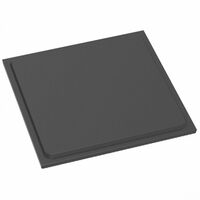
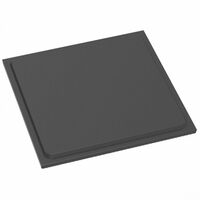
XC5VFX200T-1FF1738I
Hersteller: Xilinx Logische Zellen: 200,704 Logische Schnitte: 31,200 Eingebettetes RAM (eRAM): 8,352 Kb (464 × 18Kb Block RAM) Paket: FF1738 (Flip-Chip BGA) Betriebstemperatur: Industriell (-40°C bis +100°C)
Spezifikationen
Die XC5VFX200T-1FF1738I is a heavyweight from the Virtex-5 FXT series (Xilinx, now AMD), built on the dependable 65nm process. It’s aimed at engineers tackling big, transceiver-heavy designs where you need tons of logic fabric plus a good haul of high-speed serial links.
Quick specs rundown that usually pops up in early discussions:
- ~196,608 logic cells — gives you real breathing room for dense DSP chains, complex packet processing, multi-protocol bridges, or large-scale state machines
- 24 RocketIO GTX transceivers — solid multi-gigabit capability, typically handling up to ~6.5 Gbps in deployed systems (well-suited for 10GbE, PCIe Gen1/2, SRIO, or custom high-speed serial fabrics)
- 960 user I/Os — generous pin count for connecting to external DDR2/3 memory, high-speed data converters, or system interfaces
- Embedded block RAM around 16–17 Mbit (with distributed RAM handling smaller, faster buffers and FIFOs)
- Built-in PowerPC 440 hard processor blocks — handy for embedded control, hybrid HW/SW partitioning, or offloading tasks without extra chips
- Paket: 1738-pin FF (flip-chip BGA, roughly 42.5 × 42.5 mm), industrial temp range (-40°C to +100°C junction)
- -1 speed grade — delivers respectable performance and timing margins while keeping power draw in check (a practical middle-ground choice for many apps)
This FPGA often lands in telecom backbone equipment, high-end video/broadcast systems, radar & SIGINT front-ends, advanced test instruments, or setups that demand lots of fast SerDes alongside heavy programmable logic. The FXT family edges out the LXT/SXT variants when transceiver density and embedded processors are on the must-have list.
