






| MÃ SẢN PHẨM | BỘ PHIM | SỐ LƯỢNG PHÒNG THÍ NGHIỆM/CLBS | ĐỘ BỀN THEO TỐC ĐỘ | SỐ LƯỢNG PHẦN TỬ LỐI / TẾ BÀO | Tổng số bit RAM | SỐ LƯỢNG I/O | Điện áp – Nguồn cấp | Loại lắp đặt | NHIỆT ĐỘ HOẠT ĐỘNG | GÓI / HỘP | GÓI THIẾT BỊ CỦA NHÀ CUNG CẤP |
|---|---|---|---|---|---|---|---|---|---|---|---|
| XC5VFX200T-1FF1738I | Virtex-5 FXT | 15.360,00 | -1,00 | 196608 | 16809984 | 960 | ~1,0 V (0,95–1,05 V) | Lắp đặt bề mặt | -40 °C đến +100 °C (I) | 1738-BBGA / FCBGA | 1738-FCBGA (khoảng 42,5 × 42,5 mm) |
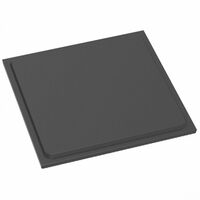
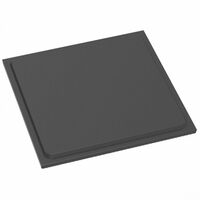
XC5VFX200T-1FF1738I
Nhà sản xuất: Xilinx Tế bào logic: 200,704 Các lát cắt logic: 31,200 Bộ nhớ RAM tích hợp (eRAM): 8,352 Kb (464 × 18Kb Block RAM) Gói: FF1738 (BGA lật chip) Nhiệt độ hoạt động: Công nghiệp (-40°C đến +100°C)
Thông số kỹ thuật
The XC5VFX200T-1FF1738I is a heavyweight from the Virtex-5 FXT series (Xilinx, now AMD), built on the dependable 65nm process. It’s aimed at engineers tackling big, transceiver-heavy designs where you need tons of logic fabric plus a good haul of high-speed serial links.
Quick specs rundown that usually pops up in early discussions:
- ~196.608 ô logic — gives you real breathing room for dense DSP chains, complex packet processing, multi-protocol bridges, or large-scale state machines
- 24 bộ thu phát RocketIO GTX — solid multi-gigabit capability, typically handling up to ~6.5 Gbps in deployed systems (well-suited for 10GbE, PCIe Gen1/2, SRIO, or custom high-speed serial fabrics)
- 960 thao tác I/O của người dùng — generous pin count for connecting to external DDR2/3 memory, high-speed data converters, or system interfaces
- Bộ nhớ RAM khối nhúng xung quanh 16–17 Mbit (with distributed RAM handling smaller, faster buffers and FIFOs)
- Built-in PowerPC 440 hard processor blocks — handy for embedded control, hybrid HW/SW partitioning, or offloading tasks without extra chips
- Gói: FF 1738 chân (flip-chip BGA, roughly 42.5 × 42.5 mm), industrial temp range (-40°C to +100°C junction)
- -1 speed grade — delivers respectable performance and timing margins while keeping power draw in check (a practical middle-ground choice for many apps)
This FPGA often lands in telecom backbone equipment, high-end video/broadcast systems, radar & SIGINT front-ends, advanced test instruments, or setups that demand lots of fast SerDes alongside heavy programmable logic. The FXT family edges out the LXT/SXT variants when transceiver density and embedded processors are on the must-have list.


