






| MODELO P/N | SERIE | NÚMERO DE LABORATORIOS/CLBS | GRADO DE VELOCIDAD | NÚMERO DE ELEMENTOS LÓGICOS / CELDAS | TOTAL BITS RAM | NÚMERO DE E/S | TENSIÓN - ALIMENTACIÓN | TIPO DE MONTAJE | TEMPERATURA DE FUNCIONAMIENTO | PAQUETE / ESTUCHE | PAQUETE DEL DISPOSITIVO DEL PROVEEDOR |
|---|---|---|---|---|---|---|---|---|---|---|---|
| XC5VFX200T-2FFG1738I | Virtex-5 FXT | 15.360,00 | -2,00 | 196608 | 16809984 | 960 | 0,95 V-1,05 V | Montaje en superficie | -40 °C ~ +100 °C | 1738-FBGA / FCBGA | 1738-FCBGA (≈42,5 × 42,5 mm) |
XC5VFX200T-2FFG1738I
Fabricante: Xilinx
Células lógicas: 207,360
Rebanadas lógicas: 32,640
RAM integrada (eRAM): 7,380 Kb (410 × 18Kb Block RAM)
E/S máxima por usuario: 720
Paquete: FFG1738 (BGA con chip invertido)
Grado de velocidad: -2
Temperatura de funcionamiento: Industrial (-40°C a +100°C)
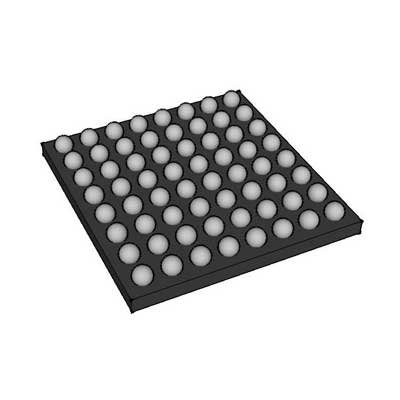
Especificaciones
En XC5VFX200T-2FFG1738I is one of the larger devices in the Virtex-5 FXT family from Xilinx (now part of AMD). It’s built on a 65nm process and combines high-density programmable logic with embedded PowerPC 440 processors and RocketIO GTX multi-gigabit transceivers.
From a practical engineering point of view, this device is used when the design simply cannot compromise on logic scale or serial bandwidth. It offers substantial LUT resources, strong DSP capability with DSP48E slices, and large Block RAM capacity — suitable for data-intensive systems such as telecom baseband units, defense electronics, high-speed data acquisition, and complex industrial platforms.
The -2 speed grade provides better timing performance compared to -1 devices, which gives more margin in high-frequency or timing-sensitive designs. The FFG1738 package (1738-ball flip-chip BGA) supports very high I/O count and dense routing, typically seen on multi-layer backplane or high-speed networking boards.
The industrial temperature range (-40°C to +100°C) makes it appropriate for harsher environments where reliability is critical.
In short, the XC5VFX200T-2FFG1738I isn’t chosen for cutting-edge node size — it’s chosen because it’s proven, powerful, and stable. For long-lifecycle systems or performance-heavy legacy platforms, it remains a solid and dependable FPGA solution.


