






| MODELL P/N | SERIE | ANZAHL DER LABORE/KLINIKEN | GESCHWINDIGKEITSSTUFE | ANZAHL DER LOGIKELEMENTE / ZELLEN | RAM-BITS INSGESAMT | ANZAHL DER E/A | SPANNUNG - VERSORGUNG | BEFESTIGUNGSTYP | BETRIEBSTEMPERATUR | VERPACKUNG / KASSE | LIEFERANT GERÄTEPAKET |
|---|---|---|---|---|---|---|---|---|---|---|---|
| XC5VSX50T-1FFG1136C | Virtex-5 SX | 4,00 | -1,00 | 52 224 | 4 866 048 | 480 | 0,95 V - 1,05 V | Oberflächenmontage | 0 °C ~ +85 °C (C) | 1136-FBGA / FCBGA | 1136-FCBGA (≈ 35 × 35 mm) |
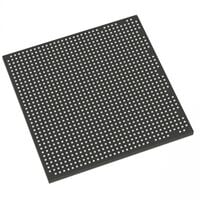
XC5VSX50T-1FFG1136C
Hersteller: Xilinx
Logische Zellen: 52,224
Logische Schnitte: 8,160
Eingebettetes RAM (eRAM): 1.728 Kb
Paket: FFG1136 (Flip-Chip BGA)
Betriebstemperatur: Handelsüblich (0°C bis +85°C)
Spezifikationen
Die XC5VSX50T-1FFG1136C ist ein FPGA der mittleren Leistungsklasse des Virtex-5 SXT Familie (Xilinx, jetzt AMD), die auf dem zuverlässigen 65-nm-Prozess basiert und auf DSP-Anwendungen ausgerichtet ist, die auch einen anständigen Satz serieller Hochgeschwindigkeits-Transceiver benötigen.
Schnelle Angaben, auf die sich Ingenieure in der Regel beschränken:
- ~52.224 logische Zellen (mit 4.080 CLBs/Slices) - solide Kapazität für Mehrkanal-DSP-Filter, moderate Videoverarbeitungspipelines, FFT-Cores oder andere Signalverarbeitungsdesigns, die keine massive Skalierung erfordern
- 12 RocketIO GTX-Transceiver - diese verarbeiten zuverlässig serielle Multi-Gigabit-Verbindungen, in der Regel bis zu ~6,5 Gbit/s in realen Einsätzen (gut geeignet für 10 Gb Ethernet, PCIe Gen1/2, Serial RapidIO oder kundenspezifische Hochgeschwindigkeits-Datenschnittstellen)
- 480 Benutzer-E/As - gute flexible Pin-Anzahl für externen DDR2/3-Speicher, schnelle ADCs/DACs oder Board-Level-Konnektivität
- Eingebetteter Block-RAM um 4,86 Mbit (plus verteiltes RAM für kleinere Puffer und FIFOs mit geringer Latenz)
- ~288 DSP48E-Scheiben - 25×18-Multiplizierer der zweiten Generation mit 48-Bit-Akkumulatoren, optimiert für Festkomma- und Gleitkomma-Mathematik mit hohem Durchsatz, FIR/IIR-Filter, Transformationen und arithmetikintensive Arbeitslasten
- Paket: 1136-Stift FFG (Flip-Chip BGA, ~35 × 35 mm), handelsüblicher Temperaturbereich (0°C bis +85°C Sperrschicht)
- -1 Geschwindigkeitsstufe - bietet eine ausgewogene Leistung, einen angemessenen Spielraum für Timing-Closure und eine vernünftige Leistungsaufnahme für viele DSP/SerDes-zentrierte Anwendungen
Die SXT-Serie ist DSP- und Transceiver-orientiert - sie legt den Schwerpunkt eher auf die DSP48E-Blöcke und GTX-Ports als auf eingebettete Prozessoren (kein PowerPC; das ist FXT-Territorium) oder maximale Logikdichte (mehr LX/LXT).


