





| MODEL P/N | SERIES | NUMBER OF LABS/CLBS | SPEED GRADE | NUMBER OF LOGIC ELEMENTS / CELLS | TOTAL RAM BITS | NUMBER OF I/O | VOLTAGE – SUPPLY | MOUNTING TYPE | OPERATING TEMPERATURE | PACKAGE / CASE | SUPPLIER DEVICE PACKAGE |
|---|---|---|---|---|---|---|---|---|---|---|---|
| XC5VSX95T-1FF1136I | Virtex-5 SX | 7,00 | -1,00 | 94 208 | 8 994 816 | 640 | 0.95 V – 1.05 V | Surface Mount | -40 °C ~ +100 °C (I) | 1136-FBGA / FCBGA | 1136-FCBGA (≈ 35 × 35 mm) |
XC5VSX95T-1FF1136I
Manufacturer: Xilinx
Logic Cells: 98,304
Logic Slices: 15,360
Embedded RAM (eRAM): 3,072 Kb
Package: FF1136 (Flip-Chip BGA)
Operating Temperature: Industrial (-40°C to +100°C)
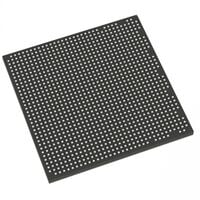
Specifications
The XC5VSX95T-1FF1136I is a mid-to-high density FPGA from the Virtex-5 SXT family (Xilinx, now AMD), built on the solid 65nm process and geared toward DSP-heavy designs that also need reliable high-speed serial links.
Quick specs engineers typically check first:
- ~94,208 logic cells (with 14,720 adaptive logic modules / slices) — good capacity for multi-channel DSP filters, video processing pipelines, FFT cores, or complex signal-processing tasks
- 16 RocketIO GTX transceivers — these support multi-gigabit serial reliably, commonly up to ~6.5 Gbps in real-world applications (well-suited for 10Gb Ethernet, PCIe Gen1/2, Serial RapidIO, or custom high-speed data streams)
- 640 user I/Os — plenty of flexible pins for external DDR2/3 memory, fast ADCs/DACs, or board-level interfaces
- Embedded block RAM around 8.8–9 Mbit (plus distributed RAM for smaller, low-latency buffers and FIFOs)
- Strong DSP48E slice count (around 488) — those second-gen 25×18 multipliers with 48-bit accumulators excel at high-throughput fixed- or floating-point math, filters, and arithmetic-intensive workloads
- Package: 1136-pin FF (flip-chip BGA, ~35 × 35 mm), industrial temperature range (-40°C to +100°C junction)
- -1 speed grade — provides balanced performance and timing margins while keeping power reasonable for many DSP/SerDes-focused apps
The SXT series prioritizes DSP acceleration and fast transceivers — it emphasizes those DSP48E blocks and GTX ports over embedded processors (no PowerPC; that’s FXT land) or maximum plain logic density (more LX/LXT territory).
