





Virtex-5 LX FPGA Stock Guide: XC5VLX30, XC5VLX50, XC5VLX155, XC5VLX330 Availability & Selection
When sourcing legacy FPGAs for industrial, telecom, or embedded systems, the Virtex-5 LX family from Xilinx (now part of AMD) remains one of the most requested product lines in the global market.
In this guide, we break down key models currently in demand, including:
- XC5VLX30 series
- XC5VLX50 / XC5VLX50T series
- XC5VLX155 series
- XC5VLX330 series
We’ll also cover package options, temperature grades, and how to choose the right device for your project.
Why Virtex-5 LX Still Matters in 2026
Even though newer FPGA platforms exist, many engineers still rely on Virtex-5 LX for:
- Proven stability in long lifecycle systems
- Compatibility with legacy designs
- Strong logic density vs. power balance
- Wide deployment in telecom, defense, and industrial control
For companies maintaining existing systems, redesigning hardware is costly—so sourcing original parts is often the smarter move.
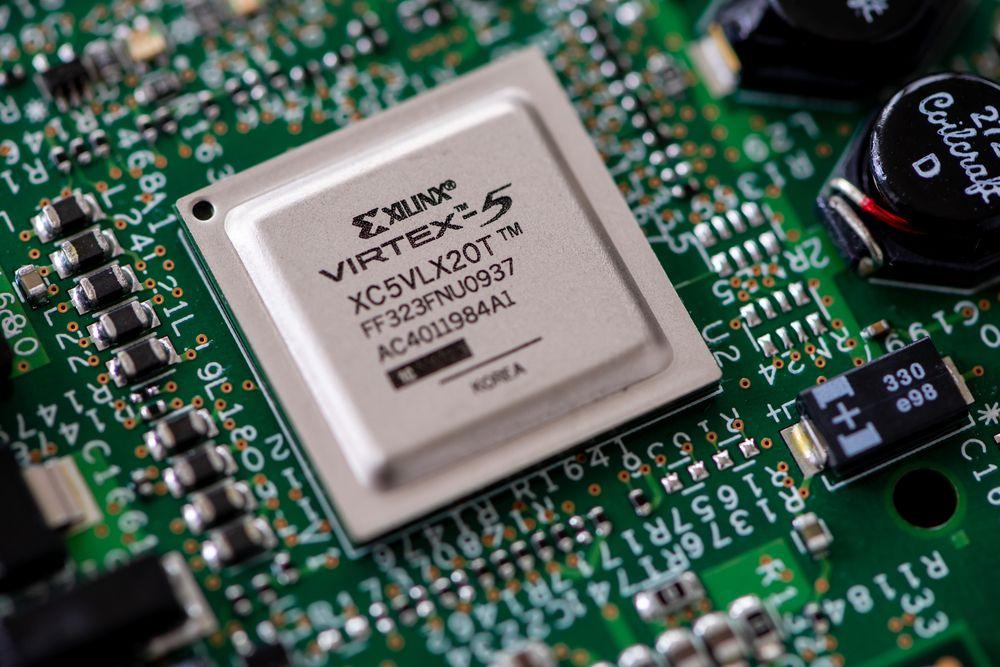
Key Models Overview
1. XC5VLX30 Series (Entry-Level Logic)
Popular Models:
Best for:
- Industrial control systems
- Basic signal processing
- Cost-sensitive FPGA applications
Key Insight:
The XC5VLX30 is widely used where moderate logic resources are sufficient, making it one of the easiest Virtex-5 devices to source globally.
2. XC5VLX50 & XC5VLX50T (Mid-Range Performance)
Standard LX50 Models:
- XC5VLX50-1FFG676I / -2FFG676I
- XC5VLX50-1FFG676C / -2FFG676C
- XC5VLX50-1FFG1153I / -2FFG1153I
- XC5VLX50-1FFG1153C / -2FFG1153C
LX50T Models (with Transceivers):
Best for:
- High-speed communication systems
- Data acquisition
- Embedded processing
Key Insight:
If your design involves high-speed serial interfaces, the LX50T variant is the better choice due to integrated transceivers.
3. XC5VLX155 (High Logic Density)
Models:
Best for:
- Complex DSP workloads
- Networking infrastructure
- Industrial automation systems
Key Insight:
The XC5VLX155 strikes a balance between performance and cost, making it a common upgrade path from LX50 designs.
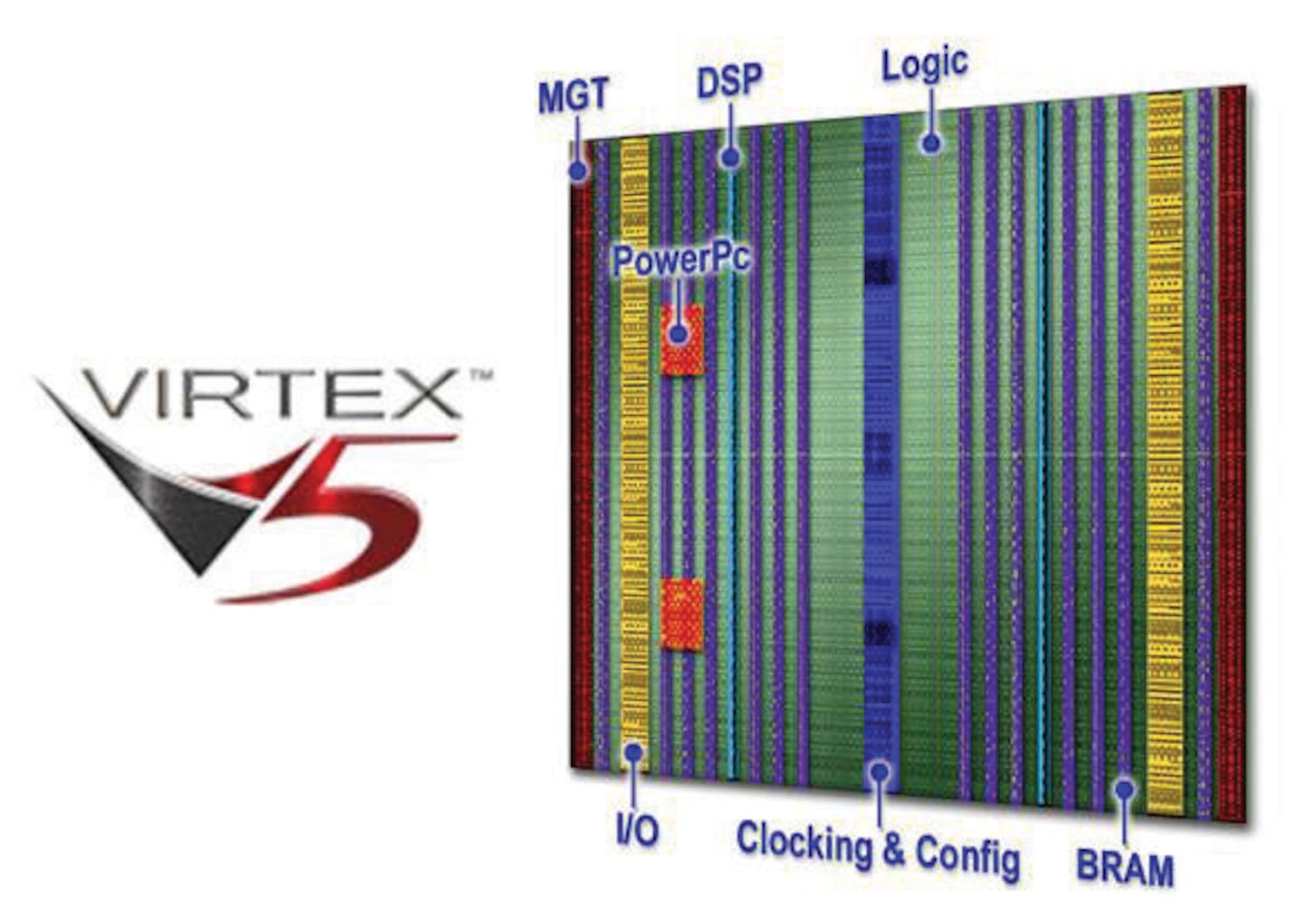
4. XC5VLX330 (High-End Capacity)
Models:
Best for:
- Large-scale FPGA designs
- Image processing systems
- Defense and aerospace applications
Key Insight:
With significantly higher logic resources, the LX330 is ideal for design consolidation, reducing the need for multiple FPGAs.
Understanding Part Number Differences
A typical part number like:
XC5VLX50-2FFG676I
Breaks down into:
- XC5V → Virtex-5 family
- LX50 → Logic capacity
- -2 → Speed grade (higher = faster)
- FFG676 → Package type (Fine-pitch BGA, 676 pins)
- I / C → Temperature range
- I = Industrial (-40°C to 100°C)
- C = Commercial (0°C to 85°C)
How to Choose the Right Model
When selecting a Virtex-5 LX FPGA, consider:
1. Logic Requirements
- Small designs → XC5VLX30
- Mid-level → XC5VLX50
- Large designs → XC5VLX155 / XC5VLX330
2. I/O & Packaging
- Compact boards → FFG324
- High I/O → FFG676 / FFG1153 / FFG1760
3. Speed Grade
- -1 → Standard
- -2 → Higher performance
4. Operating Environment
- Industrial → choose “I”
- Commercial → choose “C”
Global Supply & Sourcing Tips
Due to discontinuation and long lifecycle demand:
- Stock availability varies significantly
- Original parts are preferred for reliability
- Counterfeit risks exist in open markets
Best practice:
- Work with verified suppliers
- Request traceability (COC, date code)
- Consider cross-referencing alternatives if needed
Final Thoughts
The Virtex-5 LX series continues to serve critical applications worldwide. Whether you’re maintaining legacy systems or sourcing hard-to-find components, choosing the right model—from XC5VLX30 to XC5VLX330—depends on your design complexity, performance needs, and environment.
If you’re actively sourcing any of the models listed above, it’s essential to move quickly—availability can change rapidly in the global FPGA market.
FAQ (SEO Boost Section)
Q: Is Virtex-5 still in production?
A: No, it is considered a legacy product, but global inventory is still available through distributors.
Q: What is the difference between LX and LX-T?
A: LX-T includes high-speed serial transceivers, suitable for communication-heavy applications.
Q: Can I replace XC5VLX50 with XC5VLX155?
A: In some cases yes, but it depends on pin compatibility and design constraints.