





Reliable Supply Of Xilinx Virtex-4 Sx Fpgas
Xilinx Virtex-4 SX FPGA Supply for Long-Life and Legacy Systems
In industrial electronics, aerospace, rail transportation, and communications infrastructure, many systems are designed for 10–20 years of service life. In these environments, stability and qualification often matter more than adopting the latest silicon. As a result, Xilinx Virtex-4 SX FPGAs remain in active use across a wide range of deployed platforms.
About the Xilinx Virtex-4 SX Family
The Virtex-4 SX series was developed for signal-processing-intensive applications, combining FPGA logic with a high number of DSP slices and high-speed I/O capabilities. At the time of release, it was widely adopted in designs requiring deterministic performance and long-term reliability.
Although the Virtex-4 generation has reached end-of-life, many certified and validated systems continue to rely on these devices, especially where redesign would introduce technical risk, recertification cost, or extended downtime.
Commonly Used Virtex-4 SX Part Numbers
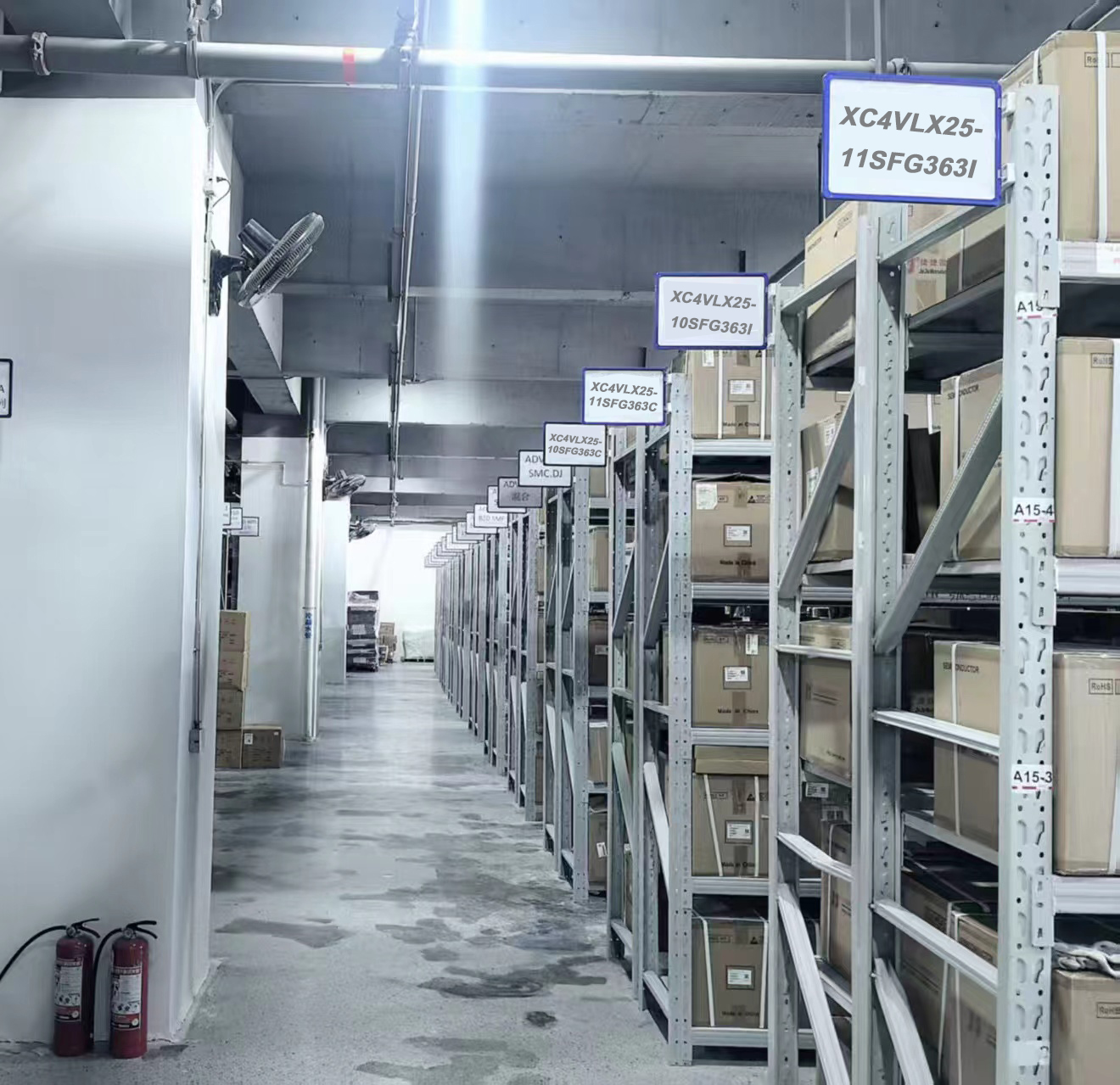
Based on ongoing market demand and legacy system maintenance needs, the following Virtex-4 SX part numbers are frequently requested:
XC4VSX35-10FFG668C
XC4VLX25-10FFG668I
XC4VLX25-11FFG668I
XC4VLX25-10FFG668C
XC4VLX25-11FFG668C
XC4VLX25-11SFG363I
XC4VLX25-10SFG363I
XC4VLX25-11SFG363C
XC4VLX25-10SFG363C
XC4VLX60-10FFG668I
These devices differ by speed grade, package (FFG / SFG), and temperature range (commercial or industrial), making accurate part matching essential for drop-in replacement in existing hardware.
Where Virtex-4 SX Is Still Used
Despite its age, Virtex-4 SX continues to operate reliably in many mission-critical systems, including:
Industrial automation and control platforms
Signal processing modules in communication equipment
Aerospace and defense electronics
Rail and transportation control systems
Test and measurement instruments
In these applications, hardware redesign is often avoided due to software dependency, regulatory approval, or system validation requirements.
Why Engineers Continue to Source Legacy FPGAs
From an engineering and operations perspective, continuing with the original FPGA offers clear advantages:
Maintains system qualification and certification
Avoids firmware rework and regression testing
Reduces engineering and validation cost
Preserves proven field reliability
For this reason, secure access to original Virtex-4 SX devices remains a practical necessity rather than a preference.
Reliable Supply of Xilinx Legacy and Mid-to-High-End FPGAs
Beyond Virtex-4 SX, many long-life projects also require continued access to mid-to-high-end Xilinx FPGA families, including:
Virtex-4 / Virtex-5 / Virtex-6
Kintex-7
Kintex UltraScale
A reliable supplier should provide:
Original, traceable components
Clear information on condition and storage
Support for long-term maintenance planning
These factors are especially important for industrial and embedded customers managing extended product lifecycles.
LXB Semicon currently employs more than 30 staff members and is located in the bustling electronics hub of Shenzhen, with an office area of nearly 600 square meters. Our organizational structure includes a General Manager, Sales Department, Purchasing Department, Quality Inspection Department, Administration Department, and Finance Department.
IC Brands: XILINX, ADI, ALTERA, ATMEL, TI, NEXPERIA, MAXIM/DALLAS, FSC/IR/VISHAY, MICROCHIP, NXP/ON, INFINEON, DIODES, FREESCALE, AVAGO, and others.
The Xilinx Virtex-4 SX FPGA remains a key component in many deployed systems where performance, stability, and qualification are non-negotiable. While no longer in active production, these devices continue to support critical infrastructure worldwide.
For organizations maintaining legacy platforms, working with an experienced FPGA supplier helps ensure continuity, minimize risk, and extend system service life without unnecessary redesign.
If you are evaluating availability or planning long-term support for Virtex-4 SX or other Xilinx FPGAs, accurate sourcing and technical understanding make a measurable difference.