





EV Charger Electronics Solutions for Transportation & Automotive
EV charging infrastructure electronics have become a core focus for automotive and transportation system developers. From residential AC chargers to high-power DC fast charging stations, reliable electronic components are critical to ensure safety, efficiency, and long-term operational stability.
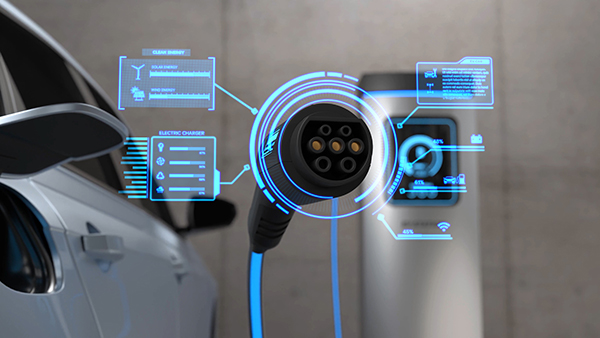
EV Charger Types and Electronics Requirements
Electric vehicle charging stations are generally categorized into Level 1, Level 2, and DC Fast Charging. Each category requires different electronic architectures and component performance levels.
Level 1 EV chargers operate using standard 110V–120V AC input and are typically installed in residential environments. Charging relies on the vehicle’s onboard AC-DC conversion system.
Level 2 EV chargers use 220V–240V AC input and significantly reduce charging time. These systems are widely deployed in commercial buildings, workplaces, parking facilities, and public charging networks.
DC fast chargers deliver high-voltage DC power directly to the vehicle battery, enabling rapid charging in public infrastructure environments. These systems demand the highest performance from power electronics and control systems.For DC fast charging applications, component authenticity, electrical performance, and supply continuity are especially critical.

Level 1 EV Chargers
Microcontrollers (MCUs) for basic control. AC-DC power management ICs. Signal interface and communication ICs. Protection and isolation devices.

Level 2 EV Chargers
Power management and current control ICs, Industrial-grade MCUs and interface ICs, Communication solutions for smart charging, Protection, isolation, and monitoring components.

DC Fast Charging Stations
High-voltage power semiconductors, Precision analog and sensing ICs, Digital controllers, DSPs, and FPGAs, High-speed isolation and protection devices
Electronic Components for EV Charger Applications

Why EV Charger Manufacturers Work with LXB Semicon
Components are checked by our internal quality inspection team to reduce risk.
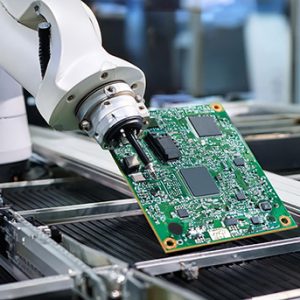
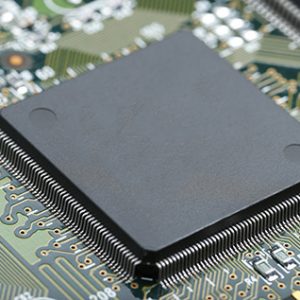
LXB Semicon
Supporting the Future of EV Charging Infrastructure
As EV adoption expands globally, charging systems must meet higher standards for efficiency, safety, and reliability. LXB Semicon helps EV charger manufacturers reduce supply chain risk and accelerate product development through trusted electronic component sourcing and professional support.
If you are developing or manufacturing EV chargers or automotive charging infrastructure, our team is ready to support your project.