






| MODELO P/N | SERIE | NÚMERO DE LABORATORIOS/CLBS | GRADO DE VELOCIDAD | NÚMERO DE ELEMENTOS LÓGICOS / CELDAS | TOTAL BITS RAM | NÚMERO DE E/S | TENSIÓN - ALIMENTACIÓN | TIPO DE MONTAJE | TEMPERATURA DE FUNCIONAMIENTO | PAQUETE / ESTUCHE | PAQUETE DEL DISPOSITIVO DEL PROVEEDOR |
|---|---|---|---|---|---|---|---|---|---|---|---|
| XC5VFX200T-1FF1738C | Virtex-5 FXT | 15.360,00 | -1,00 | 196608 | 16809984 | 960 | ~1.0 V (0.95–1.05 V) | Montaje en superficie | 0 °C ~ +85 °C (C) | 1738-BBGA / FCBGA | 1738-FCBGA (≈42.5×42.5 mm) |
XC5VFX200T-1FF1738C
Fabricante: Xilinx
Células lógicas: 172,032
RAM integrada (eRAM): 7,168 Kb
Recuento de E/S: 576
Paquete: FF?1738
Temperatura de funcionamiento: Comercial (0°C a +85°C)
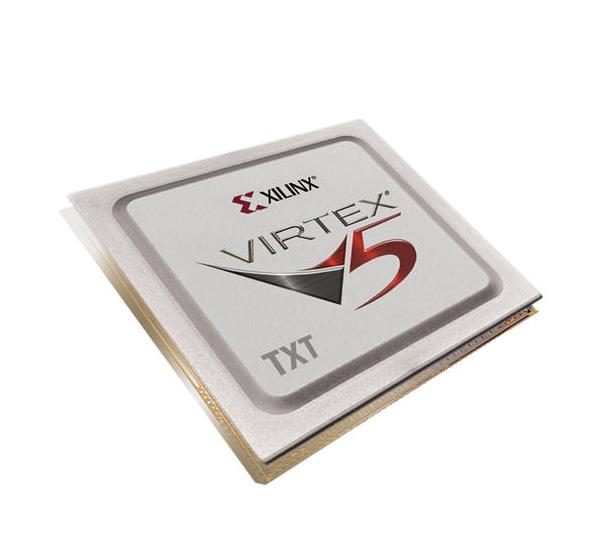
Especificaciones
En XC5VFX200T-1FF1738C is a high-density FPGA from the Virtex-5 FXT family (Xilinx, now AMD), built on the reliable 65nm process. It’s a go-to choice for engineers who need big logic capacity paired with a solid number of high-speed serial transceivers in demanding, transceiver-intensive applications.
- ~196,608 logic cells — gives you plenty of room for complex DSP pipelines, heavy packet processing, multi-protocol logic, or large custom designs
- 24 RocketIO GTX transceivers — these deliver dependable multi-gigabit performance, typically up to ~6.5 Gbps in real-world links (well-suited for 10Gb Ethernet, PCIe Gen1/2, Serial RapidIO, or custom high-speed serial interfaces)
- 960 user I/Os — lots of flexible pins for hooking up external DDR2/3 memory, fast ADCs/DACs, or board-level connectivity
- Embedded block RAM around 16–17 Mbit (plus distributed RAM for quick local storage and small FIFOs)
- Integrated PowerPC 440 hard processor blocks — super convenient for embedded control, HW/SW co-design, or offloading tasks without an extra processor chip
- Paquete: 1738-pin FF (flip-chip BGA, ~42.5 × 42.5 mm), commercial temperature range (0°C to +85°C junction)
- -1 speed grade — offers good performance and timing headroom while keeping power reasonable (a balanced option for many high-throughput but not ultra-max-speed designs)
This part sees action in telecom line cards, broadcast/video infrastructure, radar/SIGINT front-ends, high-end test equipment, or systems needing multiple fast SerDes channels alongside dense programmable logic. The FXT series stands out over LXT/SXT when you prioritize transceiver count and embedded processors.
