





Comparing XC5VLX30 and XC5VLX50 Series for High-Performance Designs
When designing high-performance systems, choosing the right FPGA is critical. The XC5VLX30 and XC5VLX50 offer distinct advantages depending on logic requirements, I/O count, and application complexity.
Core Specs Comparison
| Feature | XC5VLX30 | XC5VLX50 |
|---|---|---|
| Logic Cells | 30k | 50k |
| Max Frequency | 400 MHz | 450 MHz |
| I/O Pins | 324 | 676 |
| DSP Slices | 32 | 64 |
| Block RAM | 1.8 Mb | 3.0 Mb |
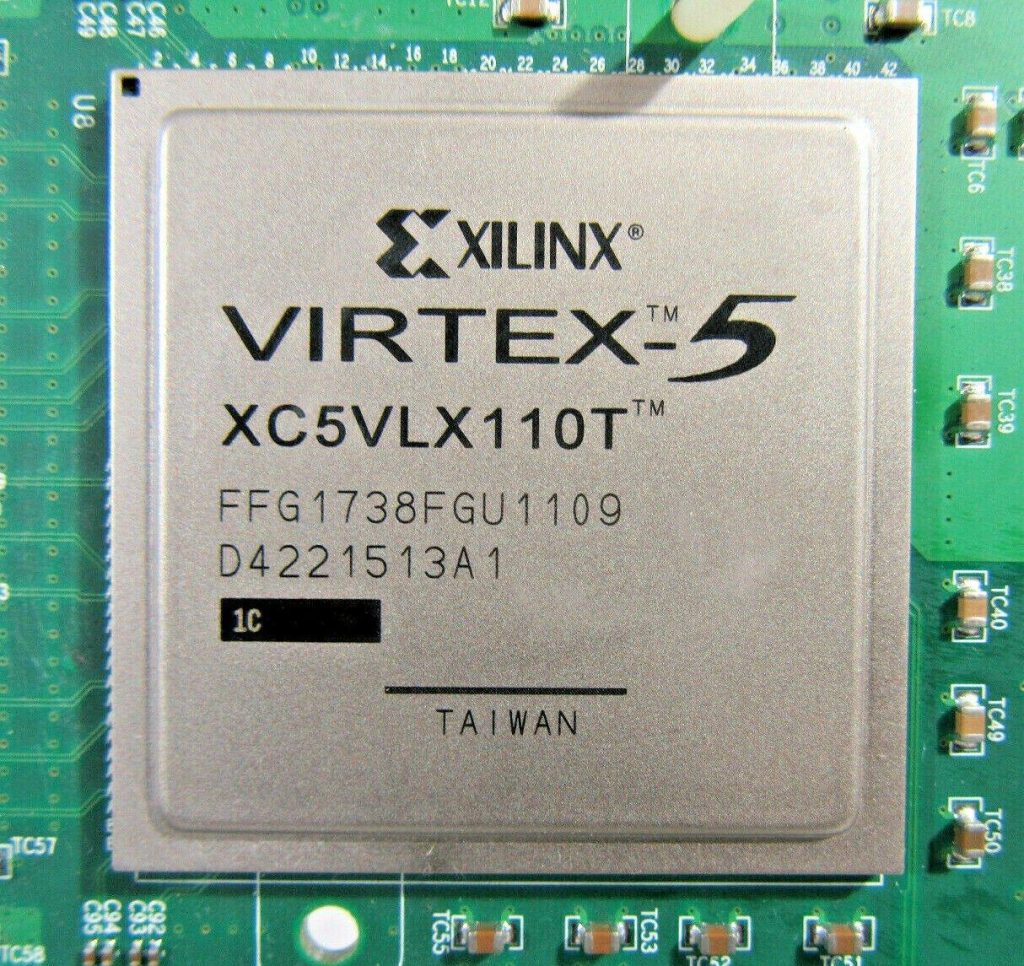
Performance Insights
- XC5VLX30: Cost-effective, perfect for embedded applications or smaller AI prototypes
- XC5VLX50: Mid-range FPGA suitable for telecom infrastructure and industrial signal processing
Applications
- XC5VLX30: Automotive electronics, smart devices, embedded controllers
- XC5VLX50: High-speed networking, video processing, AI acceleration
Choosing the Right FPGA
Evaluate logic density, I/O requirements, and power budget to ensure your project achieves optimal performance.
Internal Links:
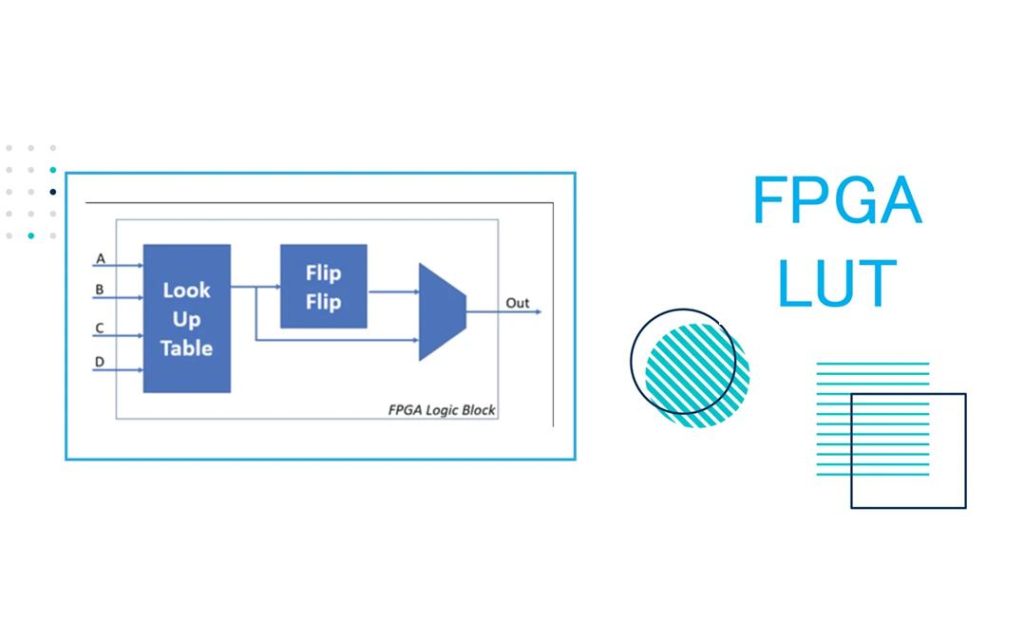
Advanced 6-Input LUT Architecture
The transition from 4-input to 6-input LUTs in the Virtex-5 series drastically reduced the logic levels required for complex algorithms. This makes the XC5VLX155 particularly effective for high-speed signal processing where latency is a deal-breaker.
Versatile I/O Performance
With SelectIO technology, models like the XC5VLX50 can interface with multiple voltage standards (1.2V to 3.3V) without the need for external level shifters, simplifying PCB design and reducing BOM costs.
Reliability in Hardened Environments
The industrial-grade versions (ending in “I”), such as the XC5VLX330-2FFG1760I, are engineered to withstand extreme thermal cycling, making them the gold standard for outdoor telecommunication base stations and medical imaging equipment.