






| الطراز P/N | السلسلة | عدد المعامل/المختبرات | درجة السرعة | عدد العناصر/الخلايا المنطقية | إجمالي بتات ذاكرة الوصول العشوائي (RAM) | عدد الإدخال/الإخراج | الجهد - الإمداد | نوع التركيب | درجة حرارة التشغيل | العبوة / العلبة | حزمة جهاز المورد |
|---|---|---|---|---|---|---|---|---|---|---|---|
| xc5vvfx200t-2ffg1738c | Virtex-5 FXT | 15.360,00 | -2,00 | 196608 | 16809984 | 960 | ~1.0 V (0.95–1.05 V) | التركيب على السطح | 0 درجة مئوية ~ +85 درجة مئوية (ج) | 1738-BBGA / FCBGA | 1738-FCBGA (≈42.5×42.5 mm) |
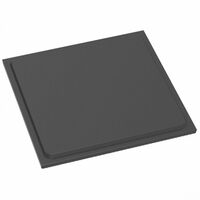
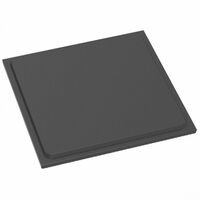
xc5vvfx200t-2ffg1738c
الشركة المصنعة: زيلينكس الخلايا المنطقية: 200,704 شرائح المنطق: 31,200 ذاكرة الوصول العشوائي المدمجة (eRAM): 8,352 Kb (464 × 18Kb Block RAM) الحزمة: FFG1738 (Flip-Chip BGA) درجة حرارة التشغيل: تجاري (0 درجة مئوية إلى +85 درجة مئوية)
المواصفات
إن xc5vvfx200t-2ffg1738c is a top-tier FPGA from the Virtex-5 FXT family (Xilinx, now AMD), built on the solid 65nm process. It’s geared toward engineers who need massive programmable logic combined with a generous number of high-speed serial transceivers in a single chip.
Key specs that usually come up first in design reviews:
- ~196,608 logic cells — plenty of fabric for dense DSP blocks, intricate packet handling, large multi-protocol interfaces, or sophisticated control systems
- 24 RocketIO GTX transceivers — reliable multi-gigabit links, supporting real-world data rates up to ~6.5 Gbps (perfect for 10Gb Ethernet, PCIe Gen1/2, Serial RapidIO, or proprietary high-speed interconnects)
- 960 user I/Os — lots of flexible pins for DDR2/3 memory, fast ADCs/DACs, or board-level expansion
- Embedded block RAM around 16–17 Mbit (plus distributed RAM for quick-access buffers and small FIFOs)
- Hard PowerPC 440 processor blocks — excellent for embedded control, software acceleration, or hybrid hardware-software designs without an external processor
- الحزمة: 1738-pin FFG (flip-chip BGA, ~42.5 × 42.5 mm), commercial temperature range (0°C to +85°C junction)
- -2 speed grade — offers strong clock performance and timing closure headroom while keeping power consumption more manageable than the fastest -3 bins
Design teams pick this one for demanding apps like telecom line cards, high-definition video/broadcast infrastructure, radar and signal-intelligence front-ends, advanced test & measurement systems, or anything requiring many fast SerDes ports alongside heavy logic density. The FXT variant stands out over LXT or SXT when transceiver count and embedded processors are must-haves.
