






| MODEL P / N | SERI | JUMLAH LABORATORIUM/CLBS | TINGKAT KECEPATAN | JUMLAH ELEMEN / SEL LOGIKA | TOTAL BIT RAM | JUMLAH I / O | TEGANGAN - PASOKAN | JENIS PEMASANGAN | SUHU PENGOPERASIAN | PAKET / KASUS | PAKET PERANGKAT PEMASOK |
|---|---|---|---|---|---|---|---|---|---|---|---|
| XC5VSX50T-1FF1136C | Virtex-5 SX | 4.080,00 | -1,00 | 52224 | 4866048 | 480 | 0,95 V - 1,05 V | Pemasangan di Permukaan | 0 °C - +85 °C (C) | 1136-FBGA / FCBGA | 1136-FCBGA (35 × 35 mm) |
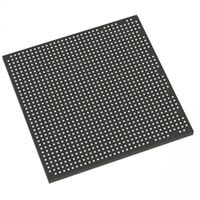
XC5VSX50T-1FF1136C
Produsen: Xilinx
Sel Logika: 52,224
Irisan Logika: 8,160
RAM tertanam (eRAM): 1.728 Kb
Paket: FF1136 (Flip-Chip BGA)
Suhu Pengoperasian: Komersial (0°C hingga +85°C)
Spesifikasi
The XC5VSX50T-1FF1136C adalah FPGA kelas menengah dari Virtex-5 SXT family (Xilinx, now AMD), built on the dependable 65nm process and designed for applications that lean into DSP processing with a reliable set of high-speed serial transceivers.
Here’s the key info engineers usually check first:
- ~52.224 sel logika (with 4,080 CLBs/slices) — gives you decent headroom for multi-channel DSP filters, moderate video pipelines, FFT cores, or other signal-processing designs that need good but not extreme scale
- 12 transceiver RocketIO GTX — these handle multi-gigabit serial links solidly, typically up to ~6.5 Gbps in real-world use (great for 10Gb Ethernet, PCIe Gen1/2, Serial RapidIO, or custom high-speed data streams)
- 480 I/O pengguna — solid flexible pin count for external DDR2/3 memory, fast ADCs/DACs, or board interconnects
- RAM blok tertanam di sekitar 4,86 Mbit (plus distributed RAM for quick smaller buffers and FIFOs)
- ~ 288 irisan DSP48E — second-gen 25×18 multipliers with 48-bit accumulators, tuned for high-throughput fixed- or floating-point math, FIR/IIR filters, transforms, and arithmetic-heavy tasks
- Paket: FF 1136-pin (flip-chip BGA, ~35 × 35 mm), kisaran suhu komersial (persimpangan 0°C hingga +85°C)
- -1 speed grade — balances performance, timing closure, and power draw nicely for many DSP/SerDes-focused apps
The SXT series is DSP + transceiver centric — it emphasizes those DSP48E blocks and GTX ports over embedded processors (no PowerPC; that’s FXT territory) or maximum plain logic density (more LX/LXT).


